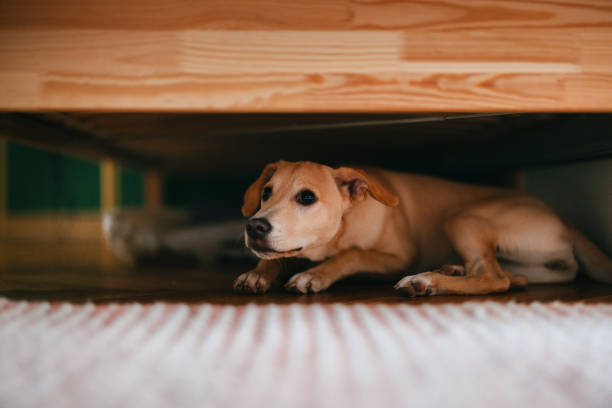
Just like humans, dogs can feel anxious. Thunderstorms, fireworks, vet visits, car rides — even being left home alone can trigger stress. If your pup trembles, paces, barks excessively, or hides, you’re not alone. The good news? With the right tools and techniques, you can help your dog feel calmer and more secure.
1. Recognize the Signs of Dog Anxiety
Anxious dogs may show:
- Excessive barking or whining
- Pacing or restlessness
- Panting, drooling, or trembling
- Hiding or clinging to you
- Destructive behavior (like chewing furniture)
Understanding these signals is the first step in helping your pup.
2. Create a Safe Space
Give your dog a cozy area they can retreat to when they feel overwhelmed. A crate with a soft blanket, a corner with their bed, or even a quiet room can serve as their “comfort zone.”
3. Exercise and Play
Physical activity helps burn off nervous energy and releases endorphins — the feel-good chemicals. Daily walks, fetch, or tug-of-war can reduce overall anxiety and help your dog feel more balanced.
4. Calming Aids and Comfort Tools
- Anxiety wraps (like Thundershirts): Provide gentle, constant pressure that many dogs find soothing.
- Soothing music or white noise: Helps block out triggering sounds like fireworks.
- Calming pheromone diffusers (DAP/Adaptil): Mimic natural dog pheromones to help reduce stress.
5. Try Training and Desensitization
For specific fears (like thunderstorms or car rides), gradual exposure combined with positive reinforcement can work wonders. Reward calm behavior and increase exposure slowly over time.
6. Natural Remedies (Use With Care)
Some dog owners find that natural supplements, like chamomile, L-theanine, or CBD (where legal), may help. Always talk to your vet before introducing new remedies.
7. When to Talk to Your Vet
If your dog’s anxiety is severe or interfering with their quality of life, consult your veterinarian. They may suggest behavior therapy, prescription medication, or a combination of treatments.
🐾 Final Thoughts
Anxiety in dogs is common, but it doesn’t have to control their lives — or yours. By creating a safe environment, keeping them active, and using the right calming aids, you can help your dog feel more confident and relaxed.
Remember: every dog is different. Patience, consistency, and love go a long way in helping your furry friend feel safe.
 Paws Button Blog
Leave a comment